
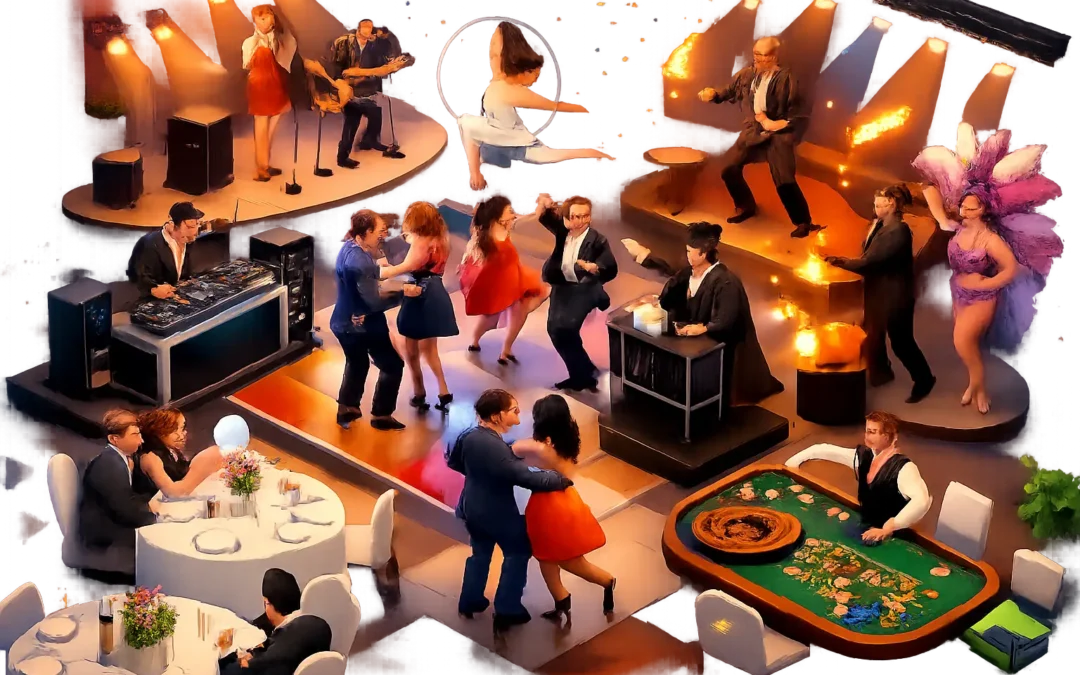
A gala can have a beautiful room, a strong menu, and a meaningful cause behind it, then still lose energy by 9 p.m. The difference is usually the entertainment plan. The best gala dinner entertainment ideas do more than fill time between courses. They give guests a reason to stay present, connect with the room, and head for the dance floor when the formal program wraps.
For a black-tie fundraiser, awards dinner, holiday party, or milestone celebration, entertainment needs to feel polished without feeling stiff. It also has to work for a mixed crowd. That means choosing moments that build anticipation instead of throwing everything at guests before dessert.
Start With the Energy You Want in the Room
Before choosing an act, decide what success looks like. Is this a seated, conversation-forward evening with a few standout moments? Is it a high-volume celebration where leadership wants the room dancing until the last call? Or does the event need to do both?
A gala is not a concert, and it is not just a dinner. The strongest plans respect the natural rhythm of the night: arrival, cocktails, dinner, remarks, recognition, dessert, then a real release of energy. Entertainment should support each phase, not compete with it.
Budget and venue logistics matter, too. A ballroom with a full stage, dance floor, and production crew can handle a bigger show. A museum dinner with strict sound limits may call for a smaller jazz format during cocktails and one high-impact feature later. Great entertainment is not always the loudest option. It is the option that fits the room and gives guests something worth talking about afterward.
15 Gala Dinner Entertainment Ideas for a Big Night
1. A high-energy live party band
For a gala that needs a packed dance floor, this is the main event. A seasoned party band can move from dinner-friendly background music into sing-along classics, current hits, throwbacks, and full-on dance-floor anthems as the evening opens up. The key is range. A mixed-age guest list needs songs people know quickly, not a set built around one narrow genre.
2. A polished cocktail-hour trio
Set the tone before anyone sits down with a jazz trio, acoustic group, or classy pop ensemble. This works especially well when guests are networking, bidding in a silent auction, or reconnecting with people they have not seen in years. Keep the volume conversational and save the bigger vocals for later.
3. Live band karaoke
Put a few brave guests in the spotlight with a real backing band behind them. Live band karaoke is a strong choice for company galas, alumni events, and groups with outgoing leadership. Pre-select a few dependable singers if you want to guarantee a great first round, then open it up once the room sees how much fun it is.
4. A decades-themed dance set
An ’80s, ’90s, disco, or Y2K-focused set gives the night a clear personality. It is particularly effective when the gala has a theme, a reunion element, or a crowd that loves nostalgia. The trade-off is that a theme should be broad enough to invite everyone in. A smart band can honor the concept without playing the same sound all night.
5. Live music trivia between courses
Trivia gives guests a shared activity without forcing them out of their seats. A live music trivia format can feature short clips, recognizable hooks, table competition, and prizes that fit the event. It is ideal for filling the gap after dinner service when people are still at tables but ready for something more active than another speech.
6. A surprise performance entrance
A surprise works when it is truly unexpected and tightly produced. Think singers entering from different parts of the room, a dance troupe launching into a short number, or the band kicking off immediately after the final award. Keep it brief, rehearse the cues, and make sure the sound team knows exactly when it is happening.
7. An interactive auction walk-on
Auction segments can flatten a room fast. Bring in a music sting, a live percussion hit, or a high-energy walk-on song for top items and winning bids. It creates momentum without distracting from the fundraising goal. The entertainment should make the auctioneer look bigger, sharper, and more in control.
8. A roaming musician during dinner transitions
A saxophone player, percussionist, or vocalist moving through the room can add personality while tables are being cleared or guests are moving toward dessert. This is best used in short bursts. Roaming entertainment is memorable, but it should never make it difficult for guests to talk during the meal.
9. A dance-floor opener with VIP participation
Get executives, honorees, committee members, or the host couple on the floor for the first song. Guests take their cue from the people leading the event. When the visible leaders are dancing, the rest of the room follows. Choose a familiar song with an immediate hook, not a slow build that asks guests to wait for the fun.
10. A short specialty act
Aerial artists, ballroom dancers, drumlines, LED performers, or a cultural showcase can create a visual peak in the program. The best specialty acts are short, on-theme, and placed where attention may be drifting. Give them a clean stage and avoid scheduling them while servers are delivering plates or the bar is at its busiest.
11. A custom walk-up song for awards
For awards-heavy galas, individual walk-up music keeps the pace moving and gives honorees a moment of personality. It can be funny, meaningful, or simply energetic. Set a firm time limit, use clean edits, and have one person responsible for approving selections well before the event.
12. A request-driven after-party set
Once formalities end, let guests influence the music. A request-driven set gives the after-party a looser, more personal feel while keeping the performance professional. The band still needs to steer the room, because not every request is right for the moment, but guests love knowing their favorites are in play.
13. A photo moment with a soundtrack
A step-and-repeat or photo booth becomes more appealing when it has its own soundtrack. Pair the station with a DJ, small acoustic act, or playlist that matches the gala theme. This is a smart secondary entertainment zone for guests who want to socialize without spending every minute on the dance floor.
14. A table-versus-table sing-along
A quick call-and-response song battle can wake up a room before the final program transition. Divide the ballroom by sections, give each side a recognizable chorus, and let a confident host or bandleader work the crowd. Keep it light and fast. The goal is laughter and participation, not putting reluctant guests on the spot.
15. A final-song sendoff
Do not let the night quietly fade out. Plan one last song that brings the room together, whether it is a huge anthem, a sentimental classic, or a signature party track. Announce it clearly and make it feel like a finish guests will remember. That final shared moment often becomes the video everyone posts the next morning.
Build the Run of Show Around Real Guest Behavior
The biggest mistake in gala entertainment is treating every moment like it has equal importance. It does not. Cocktail hour needs atmosphere. Dinner needs restraint. The transition out of awards needs lift. The last 90 minutes need momentum.
Work backward from the dance floor. If you want guests dancing at 10 p.m., do not schedule a 30-minute speech block at 9:45. If dinner runs long, know what can be shortened without hurting the experience. A professional entertainment team should coordinate with your planner, venue, AV crew, and emcee so cues are clean and nobody is guessing when the next segment starts.
For events across New York, New Jersey, Philadelphia, and Connecticut, timing can be especially important when guests are traveling, arriving from work, or dealing with late-night venue restrictions. A flexible show format gives you room to adjust without losing the energy you planned for.
Choose Entertainment That Makes the Room Feel Included
The most effective gala dinner entertainment ideas are not built around what looks impressive on a proposal. They are built around what gets a real reaction from the people in the room. Familiar music, confident hosting, smart pacing, and a show that knows when to turn up are hard to beat.
If the goal is celebration, choose performers who understand more than songs. They should know how to read a crowd, handle a timeline, support your big moments, and turn a formal dinner into the part of the year guests do not want to end.
Recent Comments