
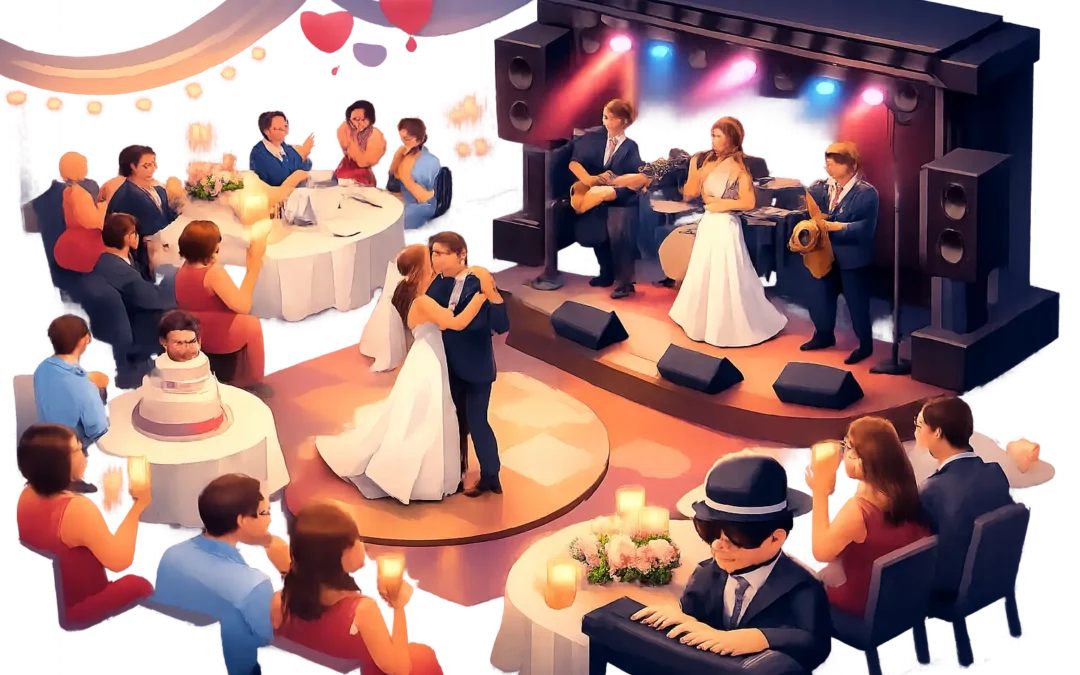
The first packed dance floor rarely happens by accident. When couples ask, “Do guests prefer live music weddings?” what they usually want to know is whether a band will make the night feel more fun, more memorable, and more worth the investment than a playlist or DJ alone. For many receptions, the answer is yes – but only when the entertainment fits the crowd, the room, and the kind of celebration you want to throw.
A great live band does more than play songs. It reads the room, raises the energy, handles transitions, and gives guests a reason to stay present instead of disappearing into the bar or checking their phones. That said, live music is not an automatic win just because it is live. The right choice comes down to your priorities.
Do Guests Prefer Live Music at Weddings?
Guests do not generally arrive with a firm preference for a band, DJ, or carefully curated playlist. They prefer a reception that feels alive. They want recognizable songs, a full dance floor, good pacing, and a party that includes everyone from college friends to grandparents.
Live music often has an edge because it creates a shared, in-the-moment experience. A singer calling out the newlyweds, a horn line kicking into a favorite chorus, or a band stretching a dance-floor classic at exactly the right moment can turn a familiar song into a reception highlight. People remember how a room felt when it erupted.
That energy matters most at weddings with a mixed-age guest list. A talented party band can move from Motown to 80s pop, from country favorites to current singalongs, without making the night feel scattered. The best bands build momentum around songs people already know and love, then shape the set in real time around what is working.
Still, guests prefer good entertainment over any one format. A weak band with a narrow setlist will not beat a skilled DJ who understands the couple and can keep the room moving. The question is less “band or DJ?” and more “who can deliver the party we want?”
Why Live Music Changes the Feel of a Reception
A wedding band brings visual energy that recorded music cannot fully replicate. Guests see performers working for the room, feeding off applause, and bringing personality to every song. That interaction makes the dance floor feel less like background entertainment and more like the main event.
There is also a useful bit of social momentum at play. When a live act launches into a crowd favorite, people are more likely to look up, react, and join in. The band gives them a focal point. It is much easier for guests to say, “Let’s get out there,” when there is an exciting performance happening in front of them.
For couples, that can mean stronger photos and a livelier overall atmosphere. The reception looks active because it is active. Guests are singing, dancing, clapping, and gathering near the stage instead of drifting between isolated conversations.
A professional band also functions as part of the event team. Experienced musicians know how to make announcements clearly, coordinate with planners and caterers, adjust to a delayed entrée service, and bring the energy back after formal moments. Great entertainment is not only about sounding good. It is about keeping the night moving.
Where a Wedding Band Has the Biggest Impact
Live music is especially powerful during the part of the night when you want guests fully engaged: cocktail hour, introductions, first-dance moments, and the main dance set. You do not necessarily need a full high-energy band performing every minute of the event. The format can shift with the room.
For example, an acoustic duo or smaller ensemble can set an elegant tone for a ceremony or cocktail hour. Then, when dinner wraps up, a full party band can take over with the songs that bring everyone to the floor. This approach gives the day contrast. It feels polished early, then turns into a real celebration once the formalities are finished.
For large receptions, live music can be even more valuable because bigger rooms need a focal point. In ballrooms, waterfront venues, country clubs, and tented celebrations across New York, New Jersey, Philadelphia, and Connecticut, a band can help fill the space with energy without making the event feel overly scripted.
The biggest impact comes when the band understands the assignment. A black-tie crowd may want sleek, sophisticated energy before they want “Livin’ on a Prayer.” A shore wedding may be ready for 90s throwbacks and all-out singalongs before dessert hits the table. Both can be great parties. They just need different pacing.
The Trade-Offs Couples Should Consider
A live band is an investment, and it is smart to look at the practical side before booking. Bands typically require more space, more power, and more production coordination than a DJ. Some venues have sound restrictions, small stages, or strict end times that can affect the performance format.
Song selection is another consideration. A DJ can play nearly any original recording on demand. A band works from a prepared repertoire, though an experienced wedding band will have a deep catalog and can often learn key requests with enough notice. If hearing one very specific recording exactly as released is non-negotiable, build that into the plan.
Budget matters, too. A full live band generally costs more because you are hiring multiple professional performers, along with the preparation, sound equipment, travel, and event coordination behind the show. But comparing the price alone can miss the point. If your top priority is a packed dance floor and a high-impact reception, entertainment is one of the categories guests will notice most.
The practical answer may be a hybrid approach. Some couples use live musicians for the ceremony and cocktail hour, then bring in a DJ for late-night requests. Others book a party band that can incorporate DJ music during breaks or after the final live set. There is no rule that says you have to choose only one format.
How to Choose Live Music Your Guests Will Actually Love
Start with your guest list, not just your personal playlist. You and your partner should absolutely hear songs you love, but the reception works best when there are musical entry points for everyone. Think about the aunt who loves disco, the friends who know every 2000s chorus, and the parents who will dance to classic rock.
Ask potential bands how they build a wedding set. You are looking for more than a list of songs. Find out how they handle requests, whether they take breaks, how they keep the dance floor going, and what happens if the timeline changes. A confident answer usually reflects plenty of real event experience.
It also helps to be honest about your crowd. If your guests are enthusiastic dancers, say so. If they are more reserved until they warm up, say that too. A good band will not force the same show onto every room. They will know when to open with familiar feel-good songs, when to slow things down, and when to hit the big finish.
Give the Band Clear Non-Negotiables
Share the songs and styles that matter most: first-dance selections, family favorites, genres you want included, and anything you absolutely do not want played. Keep the must-play list focused. A long list can make it harder for performers to read the room, while a few clear priorities give them the direction they need.
Also tell them what success looks like to you. Maybe you want every guest dancing. Maybe you want an upscale lounge feel until late night. Maybe you want your reception to feel like the best 80s and 90s party your friends have ever attended. Those details help shape the right show.
The Real Test Is the Room
The best wedding entertainment does not ask guests to admire it from their seats. It pulls them into the celebration. A live band can do that in a way that feels immediate, personal, and impossible to duplicate – especially when the musicians know how to turn a broad mix of guests into one loud, happy crowd.
If live music matches your budget, venue, and vision, it is often the choice guests talk about long after the last song. Book the performers who understand your crowd, trust them to work the room, and give your reception enough time for the party to catch fire.
Recent Comments