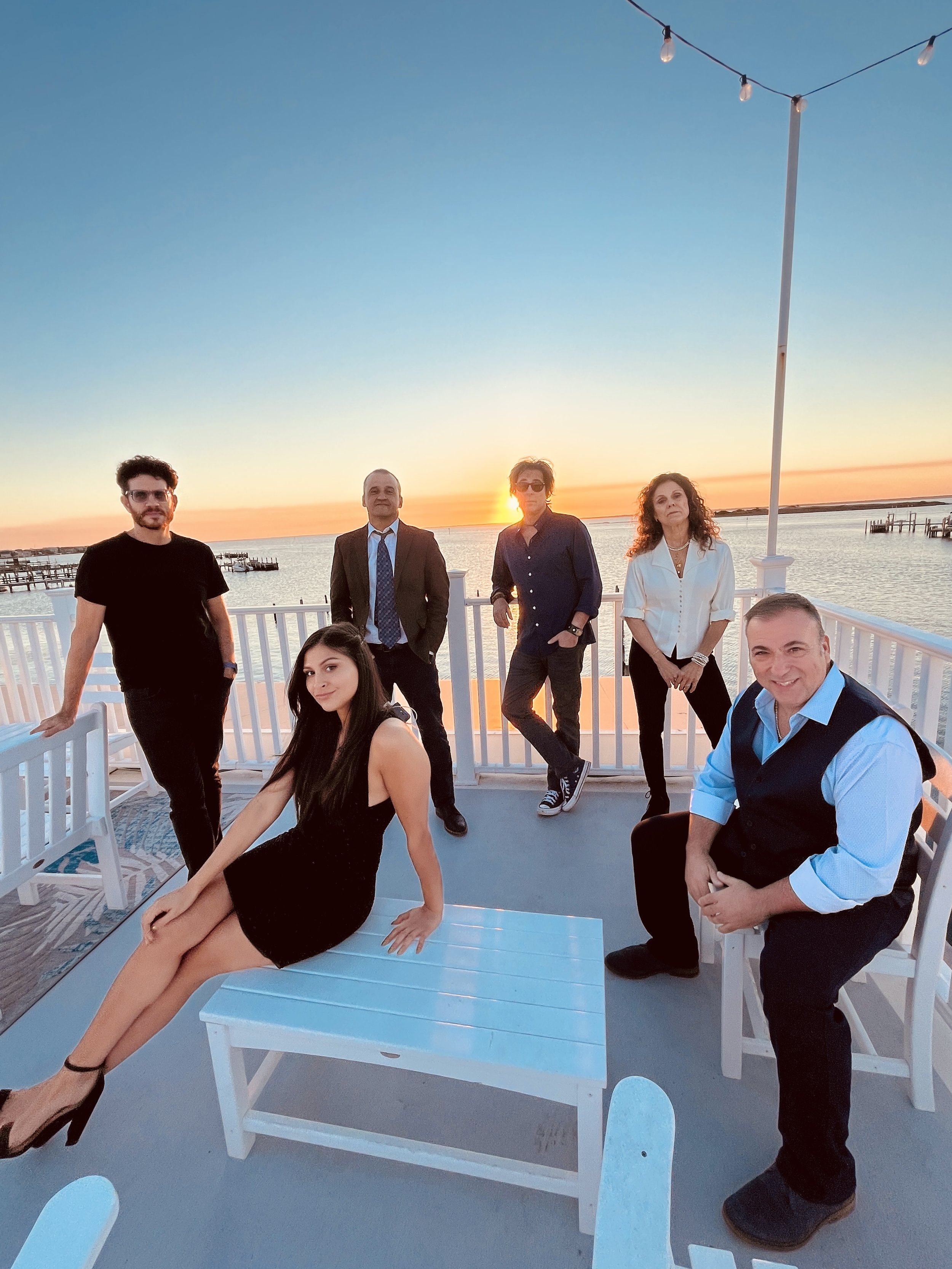
A fundraiser can have a beautiful venue, a worthy mission, and a guest list full of generous people – and still fall flat if the room never comes alive. That is the real job of fundraiser event entertainment. It is not background noise. It sets the pace, shapes the mood, and gives people a reason to stay longer, engage more, and give more freely.
When entertainment is chosen well, the event feels bigger than the ask. Guests stop feeling like they are attending another obligation and start feeling like they are part of something people will talk about the next day. That shift matters. In fundraising, energy is not extra. Energy drives participation.
Why fundraiser event entertainment matters more than people think
Most planners focus first on venue, catering, sponsorships, and ticket sales. Fair enough – those are major budget items. But entertainment often ends up being treated like a line item to fill, instead of a tool that can actively improve outcomes.
The right entertainment changes guest behavior. It helps people arrive in a good mood, keeps them present during quieter moments, and gives the event a payoff after speeches or auctions. It also helps with one of the hardest parts of fundraising: managing mixed audiences. At many nonprofit galas, school benefits, charity golf outings, and community events, you are trying to please board members, donors, younger professionals, sponsors, and first-time attendees in the same room. That is a tough crowd unless the entertainment has real range.
A strong live act can bridge generations better than almost any playlist. Familiar songs lower the temperature in the room. They make people comfortable faster. Once that happens, bidding gets looser, networking gets easier, and the event starts to feel less transactional.
The biggest mistake planners make
The most common mistake is booking entertainment that only works for one slice of the crowd.
A jazz trio can sound classy at cocktail hour, but if the full event needs momentum later in the evening, that same choice may not carry the room. A DJ can keep things moving, but if the audience expects a stronger stage presence or a more premium feel, the event may never hit the emotional high point you want. Novelty acts can be memorable for ten minutes and then leave nowhere for the night to go.
That does not mean one format is always better than another. It means fundraiser event entertainment has to match the event arc, not just the invitation design.
If your fundraiser includes a reception, seated program, paddle raise, and post-program celebration, then the entertainment should support those transitions. The room should not feel like four separate events stitched together. It should feel like one well-run night with a clear build.
What good fundraiser event entertainment actually does
At a practical level, entertainment should help the event breathe. Early on, that might mean warm, recognizable music that encourages mingling without overpowering conversation. During key program moments, it might mean clean transitions, stings for announcements, or a polished presence that keeps the room focused. After the formal portion ends, it should create a genuine release.
That last part gets overlooked. Once the mission has been presented and the asks have been made, guests want to celebrate. If they stay planted in their chairs or head for the exits, you lose valuable energy. If they move toward the dance floor, linger at the bar, and keep talking, the event feels successful. Sponsors notice. Donors notice. Committee members notice.
That is why versatile live entertainment often works so well for fundraising events. It can adapt in real time. It can read the room. It can stretch a moment if the crowd is engaged or pivot quickly if the energy dips. A static playlist cannot do that.
Choosing fundraiser event entertainment by event type
Not every fundraiser needs the same kind of show.
A black-tie gala usually needs polish first, party second. Guests expect sophistication during the reception and dinner, but they also want a strong finish once the formalities are over. In that setting, a live band with broad range often makes more sense than entertainment that stays in one lane all night.
A school or community fundraiser may need a wider stylistic net. You could have parents, local business owners, teachers, alumni, and younger attendees all under one roof. Here, recognizable hits across decades are often the safest bet because they create common ground fast.
A corporate charity event usually has another layer: brand image. The entertainment cannot feel sloppy, overly niche, or hard to manage. Organizers want something high-energy, but they also want confidence that timing, volume, staging, and professionalism are covered.
More casual fundraiser formats, like outdoor benefits, beach-town events, or bar-based charity nights, can lean further into interactive formats. Live music trivia, theme nights, or live band karaoke can turn a standard fundraiser into something that feels less scripted and more participatory. That can be a smart move if ticket sales depend on attracting people who are not regular donors.
Live band, DJ, or specialty act?
This is where budget and goals meet reality.
A DJ is often the most flexible on price and can cover a huge catalog. For some fundraisers, that is enough. If the event is younger, less formal, or heavily dance-focused, a good DJ can absolutely carry the night.
A live band usually brings more visual energy and more perceived value. Guests feel the performance. That matters at fundraising events where ticket price, donor expectations, or sponsor visibility are part of the equation. Live music can make the room feel fuller, more premium, and more memorable.
Specialty acts can be a great add-on, but they rarely solve the whole event on their own. They work best when used with intention – maybe for an opening moment, a themed segment, or a short burst of surprise. Relying on them to carry the full evening is usually a gamble.
For many events, the best answer is not choosing the flashiest option. It is choosing the format that can handle the most people, the most transitions, and the most pressure without losing the room.
What to ask before you book fundraiser event entertainment
Start with the crowd. Not your committee’s personal taste – the actual room. What age range will be there? How formal is the event? Are guests there to socialize, dance, bid, or all three?
Then look at the event timeline. When does entertainment begin? Does it need to support an emcee, live auction, or awards presentation? Is there a hard stop, or do you need flexibility if the program runs late?
Ask the entertainment provider how they handle pacing, announcements, breaks, and audience interaction. Ask whether they have worked fundraising events before. That experience matters because nonprofit events often run differently than weddings or bar gigs. There are more moving parts, more stakeholders, and less room for dead air.
You should also ask a less glamorous but critical question: how easy are they to work with? High-energy is great. High-maintenance is not. The best event partners know how to bring the party without creating production headaches.
Budget trade-offs are real
Every planner has a number in mind, and sometimes entertainment gets squeezed by décor, catering, or auction costs. That happens. But cutting too far on entertainment can lower the return on everything else you already paid for.
If the room feels flat, guests remember that more than the floral arrangements. If the post-program experience has no spark, the event can feel like it ended the second the speeches wrapped. A lower entertainment budget can make sense for a lunch fundraiser or a short reception. It can hurt you badly at a gala or evening benefit where guest experience is a major part of the value.
This is where format flexibility becomes a real advantage. A provider that can shape the entertainment package to the room, schedule, and budget gives you more options than a one-size-fits-all act. That could mean scaling from cocktail music into a full dance set, building in interactive segments, or tailoring the song mix to a donor-heavy crowd that wants familiar hits, not deep cuts.
The best entertainment choice feels easy to the guest
Guests should not have to work to enjoy themselves. They should walk in, feel the atmosphere immediately, and understand the night’s energy without anyone explaining it.
That is what great fundraiser event entertainment does. It creates momentum, supports the mission, and gives people a reason to stay in the room longer than they planned. For event planners, that means fewer awkward transitions and a stronger finish. For organizations, it means a fundraiser that feels less like a pitch and more like a win.
If you are building an event people will pay to attend, support, and remember, entertainment is not the extra. It is one of the reasons the whole thing works.
Recent Comments