
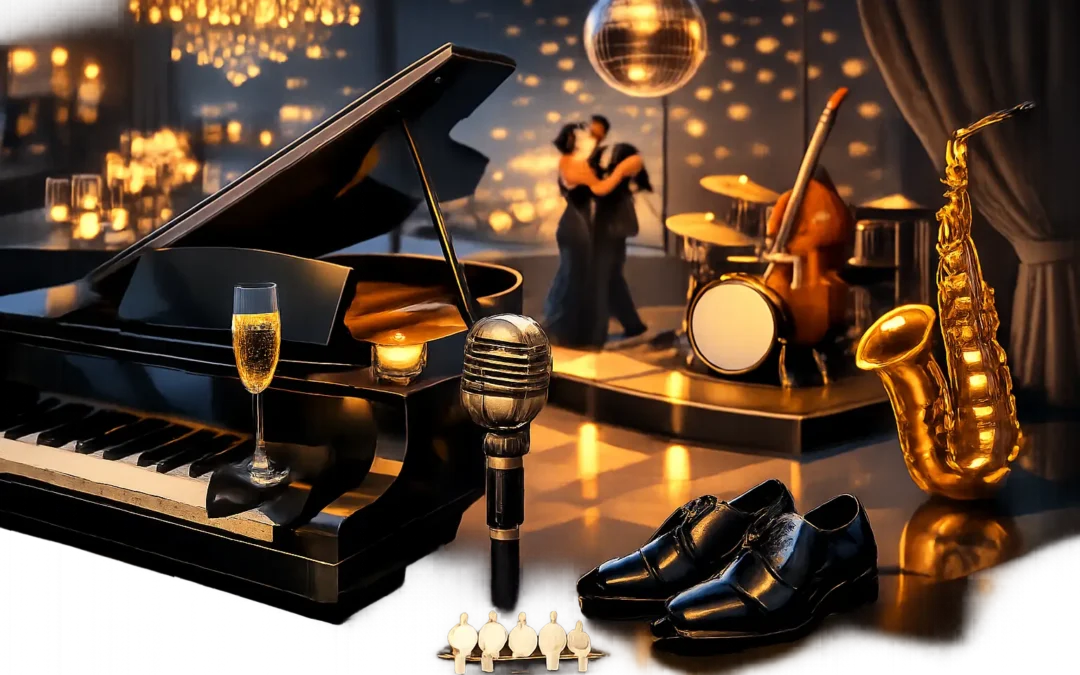
A black tie reception can look flawless on paper and still fall flat the second the music misses the room. That is the real challenge with music for black tie receptions. Guests expect style, but they also want a party. If the soundtrack feels too stiff, the night never lifts. If it feels too casual, the event loses the polish everyone worked so hard to build.
That balance is where great entertainment earns its keep. Black tie does not mean boring. It means elevated. The music should feel tailored, confident, and expensive in the best way, while still giving people a reason to leave the bar, step onto the floor, and stay there.
What music for black tie receptions needs to do
A formal reception has more jobs to cover than people realize. The music is not just background and it is not just a dance set. It helps shape the pace of the evening from guest arrival through the last big singalong.
Early on, the room usually needs sophistication. Cocktail hour and dinner should sound smooth, warm, and intentional. That might mean jazz standards, soul, tasteful pop arrangements, light funk, or acoustic takes on familiar songs. Guests should be able to talk comfortably, but the atmosphere still needs a pulse.
Later, everything changes. Once formalities are done, the room wants release. That is where smart programming matters. The best black tie receptions do not jump from elegant dinner music straight into chaos. They build. A strong band or entertainment team knows how to open the dance floor with confidence, then widen the playlist so multiple age groups feel invited in.
Elegance first, but never at the cost of momentum
One of the biggest mistakes in black tie entertainment is assuming formal means restrained all night. It does not. People dress up for a reason. They want the full experience. They want the entrance, the atmosphere, the wow factor, and then they want a packed dance floor.
The trick is choosing music that respects the setting without becoming precious. Classic Motown, polished funk, big pop anthems, disco favorites, and high-end danceable rock all work when they are performed with the right touch. Even current hits can fit beautifully if the delivery feels sharp and event-appropriate.
There is also a difference between elegance and low energy. A room full of guests in tuxedos and gowns can absolutely go wild to the right song. In fact, they often do. The setting raises expectations, which means the payoff needs to be bigger once the party turns on.
The best genres for a black tie crowd
There is no single playlist that works for every formal event, but some lanes consistently perform well. Soul and Motown are almost always safe because they bring class, familiarity, and rhythm. Guests know the songs, and the groove feels natural in a dressed-up setting.
Disco and polished 80s hits also work better than some planners expect. They bring excitement without feeling sloppy. Think celebration records, not novelty records. The difference matters.
Current pop can be a great addition, especially for younger couples or corporate crowds that want a modern edge. But it usually lands best when mixed with proven cross-generational material. A black tie reception is rarely the place to make the set too trend-driven.
Classic rock, singalong standards, and 90s dance favorites can be huge later in the night, especially once the room is fully warmed up. The key is timing. A great set list does not just ask, what songs are good? It asks, what songs are right right now?
Live band or DJ for black tie receptions?
This depends on the event, the budget, and the kind of statement you want the entertainment to make. A DJ can absolutely handle a formal reception well, especially if the priority is range, nonstop playback, and a sleek footprint.
But for many black tie events, a live band brings a level of energy and presence that is hard to fake. There is something different about live musicians reading the room in real time, stretching a chorus when the dance floor surges, or tightening the set when the crowd needs a reset. That responsiveness matters.
Live music also fits the visual side of a black tie event. A polished band onstage looks like part of the production. It feels premium. For couples and planners who want the entertainment to be both stylish and explosive, a strong live band often gives them the best of both worlds.
The ideal setup for some receptions is a hybrid approach. Live band for the big energy, plus DJ-style breaks or add-ons for specific transitions, after-parties, or extended late-night sets. It depends on how you want the night to move.
How to build the night from cocktail hour to last dance
The strongest black tie receptions feel intentional from start to finish. Cocktail hour should welcome guests without making them feel like they have walked into a waiting room. Dinner music should support the mood, not disappear into it. Then once introductions, toasts, and formal dances are done, the entertainment should shift gears clearly.
That shift should feel earned. If the room has been sitting for an hour, the first dance-floor song needs to be a true opener, something recognizable, upbeat, and easy to join. Not every guest wants to be first on the floor, so the opening run of songs needs to reduce hesitation.
After that, variety wins. A black tie crowd is usually mixed – different ages, different tastes, different levels of dance-floor confidence. This is where experienced entertainers separate themselves from a generic act. They know when to hit the floor with a universal classic, when to bring in a newer song, and when to pivot before momentum drops.
At The Counterfeiters, that kind of flexibility is the whole game. Formal clients do not just need a good band. They need a band that can look the part, sound the part, and then flip the room from elegant to electric without losing control of the event.
Common mistakes with music for black tie receptions
The first mistake is overcorrecting toward formality. If every song choice is made to sound refined, the reception can end up feeling more like a gala than a celebration. You need style, but you also need movement.
The second mistake is chasing a playlist that only reflects the host’s personal taste. Of course the event should feel personal. But receptions are shared experiences. The best music choices leave room for the crowd, not just the couple or planning committee.
Another issue is ignoring volume and pacing. Even great songs fail when they are too loud during dinner, too soft during dancing, or stacked in the wrong order. Music direction is more than song selection. It is flow.
Finally, some events book entertainment that can play the songs, but cannot manage the room. Those are different skills. Black tie receptions require polish, professionalism, strong emceeing when needed, clean transitions, and the judgment to know when to push and when to hold back.
What planners and couples should ask before booking
Ask how the entertainment handles each phase of the reception, not just the dance set. Ask what the first hour sounds like, how they approach formal pacing, and how they adapt for mixed-age crowds. Ask how customizable the set is and how they handle do-not-play requests.
It is also smart to ask about presentation. For a black tie event, stage appearance, attire, and overall production matter. So does experience with high-end venues and tightly timed receptions.
Most of all, ask how they keep the dance floor full without making the event feel generic. That answer tells you a lot. A strong entertainment team will talk about reading the room, shaping energy, and building a night that feels personal while still delivering crowd-pleasers.
The right vibe is polished, not passive
If you remember one thing, make it this: black tie is a dress code, not a speed limit. The best receptions keep the elegance intact while giving guests a real party to remember. That means music with range, confidence, and timing.
When the entertainment gets it right, the room does not have to choose between classy and fun. It gets both. And that is usually the moment the reception stops looking impressive and starts feeling unforgettable.
Recent Comments