
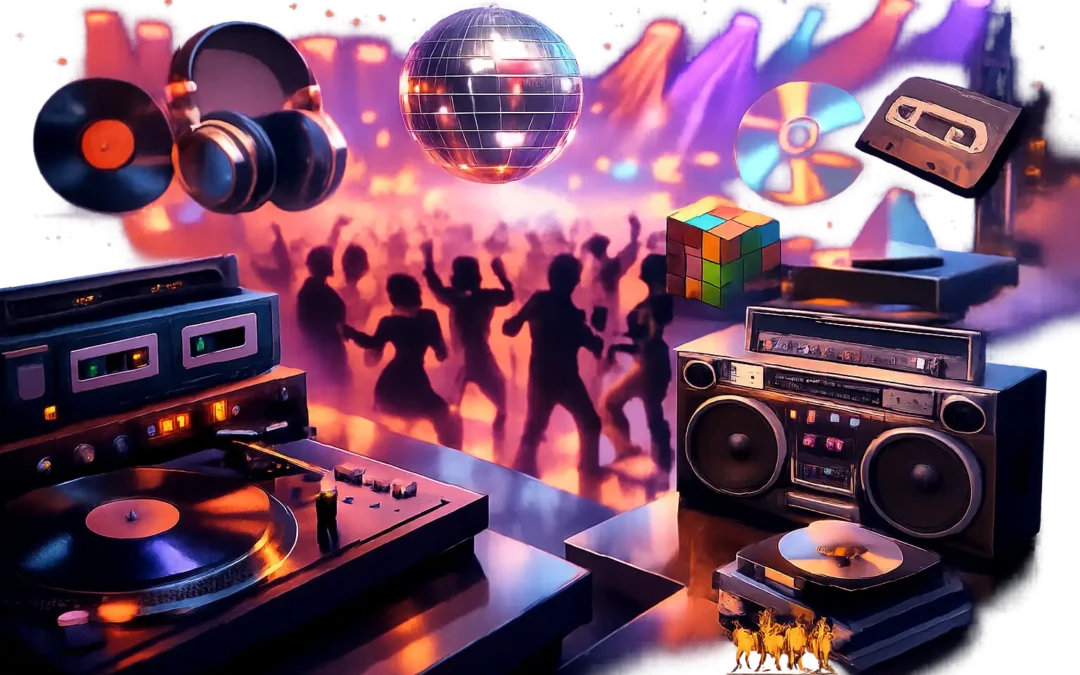
A packed dance floor usually begins before the first chorus. Someone hears the opening beat of a song they loved at 16, their friend recognizes it half a second later, and suddenly the room has a shared mission: sing every word. That is why nostalgia music trends for events are more than a throwback gimmick. When they are planned well, they create instant connection across a room full of different ages, personalities, and dance-floor confidence levels.
For weddings, corporate parties, fundraisers, venue nights, and milestone celebrations, familiar music removes the awkward warm-up period. Guests do not need to learn the song or decide whether it is cool to dance. They already know what to do. The real skill is choosing the right era, mixing it with intention, and delivering it with enough live energy that it feels like a party, not a playlist from the past.
Why Nostalgia Wins at Live Events
Nostalgia works because it is personal, but it is also social. A great 80s anthem can pull parents, coworkers, college friends, and younger guests into the same chorus. A 90s pop hit can bring a whole table to its feet before the hook even arrives. The song is familiar, but the shared reaction is brand-new.
For event hosts, that makes nostalgia a smart choice. It gives the night a reliable starting point, especially when the guest list spans generations. A current chart hit may land with one section of the room and miss another. A well-chosen classic has a much wider runway.
That does not mean every event needs four hours of retro music. The strongest parties use recognizable favorites as momentum builders. They pair huge singalongs with dance records, slower reset moments, and a few current songs that keep the set feeling alive. The goal is not to recreate a high school prom. It is to give guests the feeling that the best songs of their lives are happening right now.
The Biggest Nostalgia Music Trends for Events
The 90s Have Become a Full-Scale Party Format
The 90s are no longer a niche request. They are a major event lane, particularly for weddings and corporate groups filled with guests in their 30s, 40s, and early 50s. Pop, dance, alternative, hip-hop, R&B, and boy-band hooks all live in the same decade, which makes the format flexible enough to carry an entire night.
The key is variety. A 90s set should move from big pop choruses to dance-floor throwbacks and rock favorites without getting stuck in one genre. Guests want the songs they forgot they loved, but they also want a reason to keep moving. A live band can make that transition feel natural by building medleys, extending a crowd-favorite chorus, or shifting the arrangement to match the room.
The 80s Still Deliver Big, Bright Energy
If an event needs pure celebration, the 80s remain hard to beat. The songs are theatrical, melodic, and built for participation. They work especially well for themed fundraisers, birthday parties, bar nights, and corporate events where organizers want an obvious visual and musical identity.
An 80s theme can go all-in with neon, costumes, and era-specific details, but it does not have to. A few strategically placed 80s classics can lift a modern dance set without turning the whole night into a costume party. This is a good option for couples or planners who love the era but are hosting a mixed crowd with different musical memories.
Y2K Is Moving From Trend to Mainstay
Early-2000s music is having its moment because its original fans are now planning weddings, leading teams, booking venues, and celebrating milestone birthdays. The era brings high-energy pop, pop-punk, R&B, dance tracks, and rock anthems that feel playful without feeling dated.
Y2K works best when the room is ready for a little attitude. It can be a killer late-night wedding set, a centerpiece for a reunion-style party, or the spark that turns a standard venue night into a full-on singalong. Think big hooks, bold beats, and songs guests know before they realize they know them.
Decades Medleys Keep Mixed Crowds Moving
A decades-format show is one of the strongest answers to the mixed-age guest list. Instead of asking everyone to commit to one era, it gives each group its moment. A quick run through the 70s, 80s, 90s, 2000s, and current favorites keeps anticipation high because the next song could belong to anyone in the room.
Medleys are particularly effective at corporate events, galas, and weddings with a broad family range. They prevent the set from settling into a groove that only one part of the crowd understands. They also create those great dance-floor moments where a guest who was sitting out suddenly hears their song and joins in.
The trade-off is that a decades set needs pacing. Too many short clips can feel rushed. The right band knows when to give a massive anthem room to breathe and when to fire off a fast medley that keeps the energy climbing.
Match the Era to the Room, Not Just the Host
Personal taste matters, but the guest experience matters more. A couple may love 90s alternative rock, yet a wedding dance floor may need more pop and dance material around those favorites. A corporate organizer may want an 80s theme, while the audience needs a blend of upbeat classics that does not leave younger attendees behind.
Start with the event’s purpose. Is this a black-tie gala that needs polished, universal dance music? A summer bar crowd looking for loud, recognizable choruses? A birthday party where the guest of honor deserves a full Y2K takeover? The answer shapes the music better than a generic list of popular songs.
Then consider the room’s age range, cultural mix, and appetite for participation. A crowd that loves singing may respond to rock and pop anthems. A crowd that wants to dance may need more groove-driven 90s and 2000s tracks. For some events, the best move is not an era at all but a few nostalgia-heavy set blocks woven through a broad party set.
Make Throwbacks Feel Like a Live Experience
The difference between nostalgia that lands and nostalgia that falls flat is performance. Guests can play a favorite song at home anytime. At an event, they want the rush of hearing it hit in a room full of people, with a front person reading the crowd and musicians driving the moment forward.
That means the set should not be locked in stone. If the 80s material is sending the room, stay there for another song. If a 90s singalong brings everyone to the front, build on it. If dinner runs long or the dance floor needs a reset, change gears. Flexibility is not an extra. It is part of professional event entertainment.
Interactive formats can take that energy even further. Live band karaoke gives guests the thrill of stepping into the spotlight with a real band behind them. Live music trivia turns song knowledge into a team activity, which can be a perfect icebreaker before the main dance set. These options work especially well for corporate groups, social clubs, and venues that want more than background music.
Avoid the Common Nostalgia Traps
A themed event can lose steam when the music is too literal. Playing only deep cuts from one decade may please a small group of superfans, but it can leave the rest of the room waiting for something they recognize. Big events need big songs.
It is also easy to confuse nostalgic with slow. Not every beloved song belongs in a peak dance-floor moment. A smart setlist balances emotional favorites with tracks that actually move people. The best performers know how to place a sentimental song, follow it with a dance-floor jolt, and keep the night from turning into a listening session.
Finally, do not underestimate production and presentation. A 90s or Y2K event feels bigger when the band, lighting, announcements, and pacing support the concept. That does not require a complicated production plan. It requires a team that understands how music, energy, and timing work together.
Give Guests a Reason to Say, “That Was Our Song”
The strongest event music does more than fill silence between speeches or cocktails. It creates the moments guests talk about on the ride home: the entire room yelling a chorus, the boss unexpectedly owning live band karaoke, the bride and her friends sprinting to the dance floor for a song they have loved since middle school.
That is the opportunity behind nostalgia. Choose the eras your guests will feel, leave room for surprise, and put the music in the hands of performers who know how to turn recognition into a real reaction. The Counterfeiters build shows around exactly that kind of crowd energy, because a great throwback is only the beginning. What matters is what happens when the room hears it together.
Recent Comments