
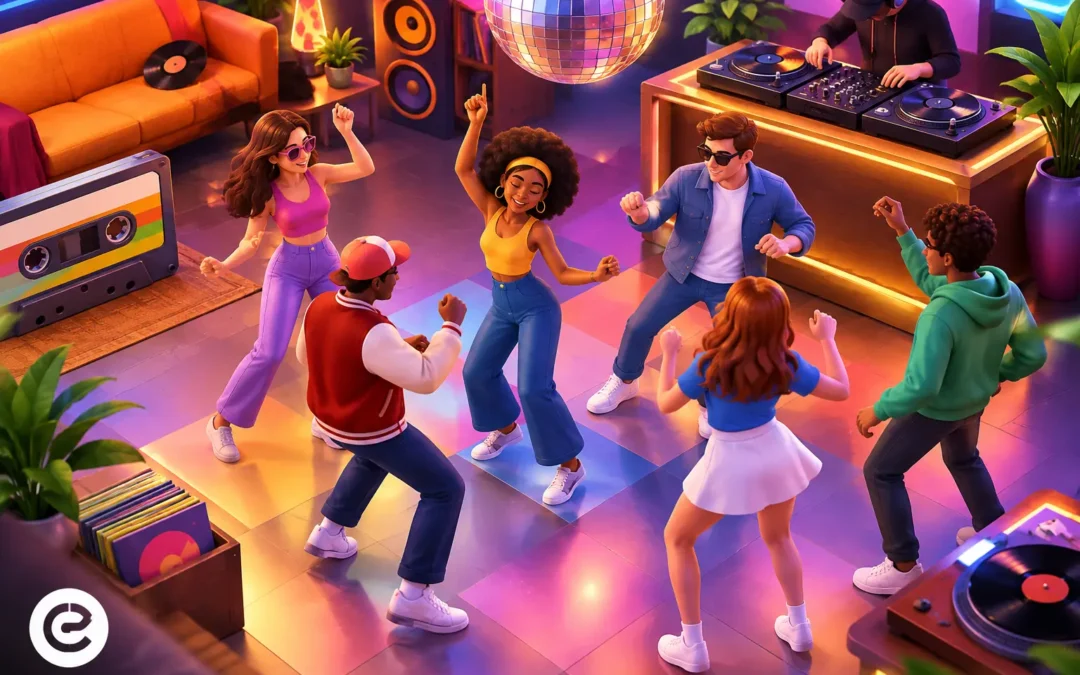
A packed dance floor does not always start with the newest song on the radio. More often, it starts when the opening notes of a song guests grew up with hit the room and somebody yells, “This is my song!” That instant recognition is why nostalgia event trends are showing up everywhere, from wedding receptions and corporate celebrations to bar nights, fundraisers, and milestone birthdays.
Nostalgia is not about putting on an old playlist and hoping for the best. Done right, it is a high-energy shared experience. It gives guests something familiar to sing, a reason to get out of their seats, and an easy connection point with people they may have just met. For planners and hosts, that makes throwback entertainment one of the smartest ways to create momentum without overcomplicating the event.
Why Nostalgia Event Trends Have Staying Power
People do not remember every detail of an event. They remember how it felt when the room came alive. A great throwback song can bring back a first concert, a college party, a family road trip, or the soundtrack of a favorite summer. That emotional shortcut is powerful, especially at events with mixed age groups.
The best nostalgia formats also remove the guesswork. Guests may not agree on the latest chart-topper, but most people know when to clap, sing, or dance to the defining hits of the ’80s, ’90s, 2000s, and beyond. Familiar music gets participation moving faster than a long introduction ever could.
That does not mean every event should become a costume party. The appeal of nostalgia depends on the crowd, the venue, and the occasion. A black-tie gala may call for a polished decades set with subtle visual touches. A shore-bar crowd may be ready for big choruses, neon colors, and a full-on ’90s night. The common thread is not the costume. It is the recognition factor and the energy it creates.
The Nostalgia Experiences Guests Want Now
The strongest throwback events are built around interaction, not just a theme printed on an invitation. Guests want a reason to take part in the moment, whether that means singing into a microphone, testing their music knowledge, or hearing a band turn a favorite old-school hit into a full dance-floor moment.
Decades Nights Work Best When They Have Range
A focused decade can be a great hook. An ’80s night brings the big hair, synth hooks, power ballads, and dance-pop classics. A ’90s theme can move from alt-rock and hip-hop to pop-punk, boy bands, and dance anthems. But a successful night still needs pacing.
Not every guest wants three straight hours from one narrow genre. The best live entertainment teams build a set that honors the theme while reading the room. Start with recognizable songs, build toward the biggest singalongs, then mix in a few curveballs that keep the show feeling fresh. That is how a decades event avoids feeling like a playlist on repeat.
Live Band Karaoke Turns Guests Into the Show
Live band karaoke is one of the biggest reasons throwback events feel personal instead of passive. The songs already have built-in memories. Give guests a chance to front a live band for one of them, and suddenly the event has its own stories.
It works particularly well for company parties, fundraisers, birthdays, and casual venue events because it gives different personalities a lane. The born performer gets the spotlight. The quiet coworker surprises everyone with a killer chorus. Friends rally around a group number. A professional band keeps the music tight, supports the singer, and makes the experience feel bigger than a standard karaoke track ever can.
Music Trivia Adds Competition Without Killing the Party
For crowds that like a little friendly rivalry, live music trivia brings another layer to the throwback formula. Guests are not just listening to songs. They are racing to name the artist, finish the lyric, identify the movie soundtrack, or remember the one-hit wonder everyone forgot they knew.
This format is especially useful early in an event, when people are arriving and conversation is still warming up. It gets tables talking before the dance floor opens. Later, it can be woven between live sets to reset the room and keep the pace moving.
How to Build a Throwback Event That Actually Delivers
Start with the guest list, not the theme. A 30th birthday, a 50th birthday, a wedding, and a corporate holiday party can all use nostalgia, but they should not sound the same. Think about the age range, the shared reference points, and how formal or loose the evening should feel.
Then choose a musical lane. You might center the night on one decade, build a battle of the decades, or use nostalgia as a high-impact section inside a broader party-band performance. For weddings, a smart approach is often to mix eras throughout the night so every generation hears a moment that belongs to them. For a ticketed venue night, a more specific theme can help create anticipation before guests even arrive.
The event flow matters as much as the song list. A band that knows how to manage the room will not burn every giant anthem in the first set. They will use the right songs at the right time: familiar openers to draw people in, high-participation hits to fill the floor, and huge finales that send guests out still singing.
Visual details can support the theme, but they should not do all the work. A photo backdrop, throwback dress code, decade-inspired cocktail names, or a few carefully chosen props can set the scene. Keep it easy. If guests need a detailed handbook to understand the theme, it is probably too complicated.
Most importantly, leave room for the unexpected. The song you assumed would be the biggest hit may not land. A spontaneous request may light up the whole room. A great live band reads those signals, adjusts the set, and keeps the party moving without making the host manage the entertainment from across the room.
Avoid the Common Throwback Mistakes
The first mistake is treating nostalgia like a gimmick. A few retro decorations and a generic playlist will not create the same response as a well-produced experience led by performers who know the material and understand crowd energy. The theme has to show up in the music, the pacing, and the participation.
The second is going too niche. If the room is full of varied ages and musical tastes, an ultra-specific theme may divide rather than unite. A one-artist tribute or a deep-cut genre night can be perfect for the right audience, but it needs a clear audience. For broader events, recognizable hits win.
The third is forgetting that nostalgia still needs polish. Guests want the fun of songs they love, but they also expect a professional show. Clear communication, a smooth load-in, reliable sound, an organized timeline, and experienced performers are what let the host relax and enjoy the party too.
Put the Memory on the Dance Floor
The best nostalgia events do more than remind guests of the past. They give them a new memory attached to it: the whole room singing the chorus, the CEO taking the karaoke mic, the bride and her friends losing it over a ’90s anthem, or a packed bar shouting every word together.
That is the real opportunity behind nostalgia event trends. Choose entertainment with range, build the theme around your people, and give the crowd plenty of chances to join in. When the right song hits at the right time, nobody is thinking about trends. They are too busy dancing.
Recent Comments